How Our Partnership with OpenAI Shaped the Way contrl Reads RFPs
When OpenAI invited us to collaborate on AI-driven document analysis, we brought 15 years of bidding expertise to the table. The result shaped how contrl reads and interprets RFPs today.


TL;DR: Cliwant partnered with OpenAI to advance AI-driven RFP analysis. That collaboration directly shaped how contrl reads, structures, and responds to complex procurement documents today.
The invitation that changed our roadmap
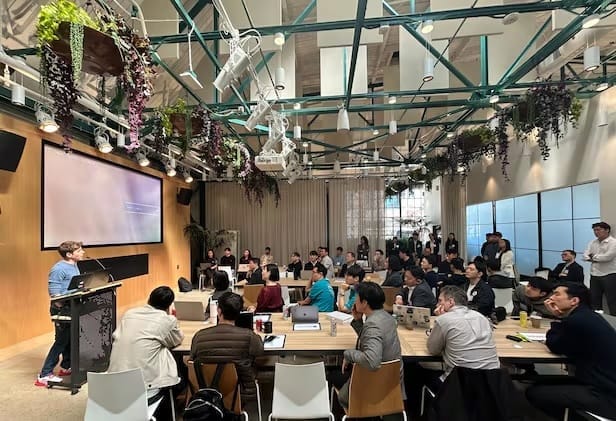
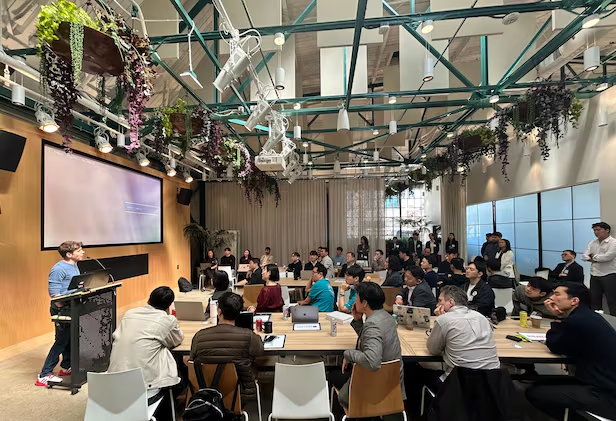
In 2024, OpenAI selected Cliwant as a partner for AI-driven document analysis. At the time, we were deep in the weeds of a problem that every proposal team knows: RFPs are long, dense, and structured in ways that trip up general-purpose AI.
Most language models can summarize an RFP. Very few can extract the compliance requirements, map them to your company's capabilities, and identify the sections where you need original content versus where you can leverage existing material. That distinction is the difference between a useful tool and a toy.
What we brought to the table
OpenAI had the models. We had 15 years of bidding experience across consulting, IT services, and government contracting. Our founder had personally managed hundreds of proposals and knew exactly where AI breaks down in the bid process.
The gap was not in language generation. It was in document comprehension. An RFP is not a blog post or a research paper. It has cross-references, nested requirements, evaluation criteria buried in appendices, and implicit expectations that only experienced bid managers recognize.
We worked with OpenAI to push the boundaries of how large language models handle structured procurement documents. The goal was not just to read an RFP but to understand it the way a veteran capture manager would.
How it shaped contrl
The techniques we developed during the partnership became the foundation of contrl's RFP analysis engine. When you upload an RFP to contrl today, the system does not just extract text. It identifies requirement hierarchies, maps evaluation criteria to content sections, and flags areas where your template has strong coverage versus gaps that need original content.
That level of comprehension is what separates contrl from tools that treat an RFP as a block of text to summarize. We treat it as a strategic document to decode.
What this means for proposal teams
Every feature in contrl traces back to a real problem we encountered in actual bid cycles. The OpenAI partnership gave us the technical runway to solve the hardest one: making AI understand procurement documents the way humans do, but faster.
If you manage proposals and have ever wished your AI tools actually understood what an RFP is asking for, that is exactly what we built contrl to do.
Still writing proposals the old way?
Contrl analyzes RFPs, builds win themes, and generates compliant drafts in your own PowerPoint templates. Your strategy, automated.
Questions? Reach us at patrick@contrl.ai